

显示器类型主要分为两大类:消费级面板显示器和大尺寸直视型LED显示器。消费级面板显示器包括LCD(液晶显示器)、OLED(有机发光二极管)、QLED和Mini-LED。这些显示器注重色彩准确度和对比度,适用于近距离观看,常用于电视、显示器和智能手机。
对于LED广告牌等商业场景,直视型LED显示屏是主流选择。其核心特点是每个像素独立发光,无需背光层。它们支持模块化拼接、大尺寸无缝拼接、高亮度以及较强的抗环境光干扰能力。本指南系统地整理了LED广告牌显示屏的分类尺寸、技术特点和选型标准,帮助您快速了解不同类型之间的差异,并解决“类型太多、参数太难懂”等实际应用中的困惑。
LED广告牌显示屏的常见分类尺寸
LED广告牌显示屏可以从多个维度进行分类,从而更容易根据具体需求匹配技术解决方案。
按使用环境分类

室内LED显示屏:适用于会议室、商场、展览馆等室内环境。它们亮度适中,注重色彩准确度和图像细节。
户外/半户外 LED 显示屏:专为户外或半开放空间设计,必须能够承受阳光、雨水和温度变化。
按显示颜色分类
单色LED显示屏:只有一种颜色,通常用于简单的文本显示。
双色LED显示屏:适用于基本信息发布的双色组合。
全彩LED显示屏:基于RGB三原色,能够显示丰富的图像和视频。
按像素间距分类
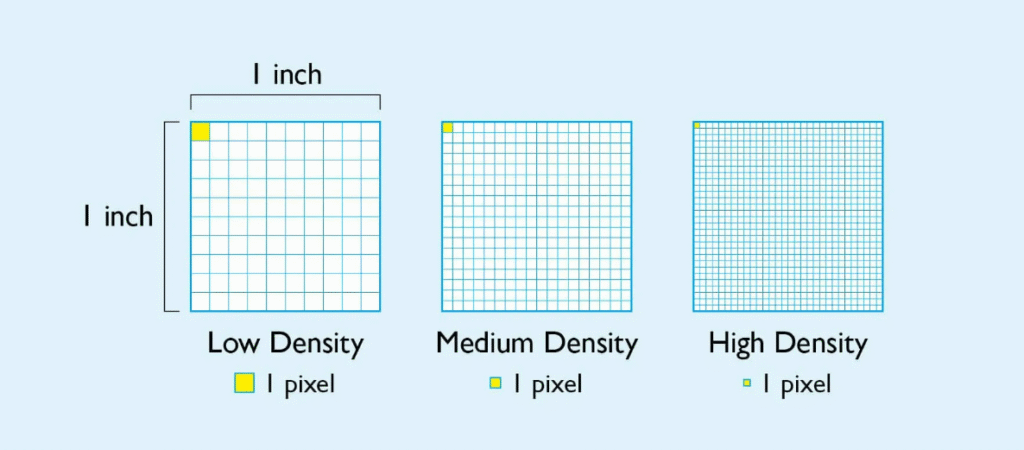
像素间距直接影响视觉效果和观看距离。小间距(P1.0–P2.5)适用于近距离高清应用。标准间距(P3–P10及以上)则用于中远距离的大屏幕。
按安装方法和应用场景分类
固定安装屏幕:用于建造广告牌或永久性标牌。
租赁屏幕:设计用于快速组装和拆卸,常用于舞台活动。
移动/车载屏幕:支持灵活运输和临时部署。
按屏幕形式分类
平板显示器:标准矩形结构。
弧形屏幕:适应建筑或舞台的弧度。
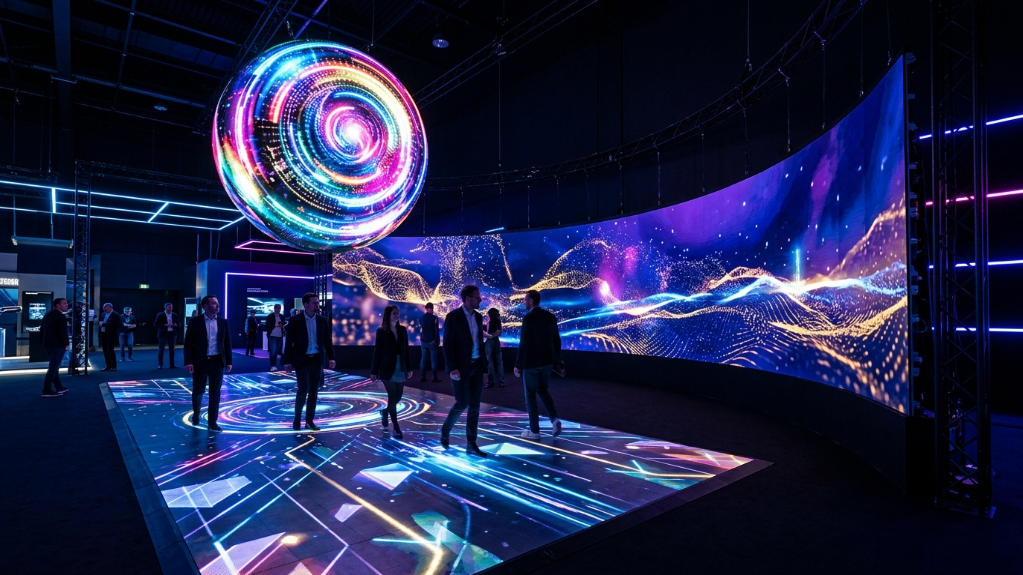
创意不规则屏幕:包括球形屏幕、落地屏幕、透明屏幕和其他创新形式。
按LED封装技术分类
DIP封装:早期技术,亮度高但像素间距较大。
SMD封装:主流表面贴装技术,兼顾亮度和精细图像质量。
COB/GOB 包装:集成式或胶粘式保护,可提高可靠性和耐用性。
下表从多个维度对比了室内和室外LED显示屏的核心区别,以便更清晰地理解:
| 方面 | 室内LED显示屏 | 户外/半户外LED显示屏 |
|---|---|---|
| 亮度要求 | 800–2000 尼特 | 5000–10000+ 尼特 |
| 防护等级 | IP30–IP45 | IP65–IP67 |
| 可视距离 | 1-5米 | 5–50+ 米 |
| 主要挑战 | 颜色一致性 | 防水、防尘、抗紫外线 |
| 典型应用 | 会议室、购物中心 | 户外广告牌、体育场 |
不同类型LED显示屏的技术特点和性能比较
不同类型的LED广告牌在结构和性能上差异显著。室内显示屏注重高刷新率和低功耗,而室外显示屏则优先考虑高亮度和耐候性。像素间距越小,近距离观看效果越好,但成本和维护要求也会相应增加。
全彩显示屏采用RGB LED实现真实色彩还原,其信息容量远超单色或双色显示屏。固定安装屏幕注重长期稳定性,而租赁屏幕则优化快速组装和轻量化设计。异形屏幕采用柔性模块或特殊结构,实现非平面显示效果。
下表显示了像素间距与推荐观看距离之间的关系,供实际选择参考:
| 像素间距 | 最小可视距离 | 应用示例 | 典型特征 |
|---|---|---|---|
| P1.0–P2.5 | 1-3米 | 近距离会议、展览 | 超高清,细节丰富 |
| P3–P6 | 3-10米 | 购物中心、舞台活动 | 清晰度和成本的平衡 |
| P8–P10+ | 10米以上 | 户外广告牌 | 高亮度,远距离清晰度 |
这些比较维度是基于实际工程经验,可作为 LED 广告牌选择的实用参考框架。
选择LED广告牌显示屏的关键技术参数
在选择LED广告牌显示屏时,核心参数直接决定其实际性能。以下分析从工程角度量化评估,带您详细了解LED显示屏的工作原理,帮助您避免昂贵的采购误区。
亮度、刷新率和灰阶级别
亮度(尼特):户外环境需要 5000 尼特以上才能承受强烈的阳光照射,而室内环境只需要 800-2000 尼特。
刷新率:3840Hz 或更高可避免出现扫描线。租赁舞台屏幕的刷新率通常可达 7680Hz。
灰阶级别:16 位或更高可确保颜色过渡平滑。
通过独立硬件研发团队的精确调校,这些参数可以适应不同的照明环境。
防护等级、功耗和散热设计
IP65/IP67防护等级确保户外防尘防水性能。
功耗控制在平均低于 300W/㎡,并结合智能散热系统,以延长使用寿命。
深圳占地 15000 平方米的智能制造基地内,一条标准化的生产线确保了各批次产品的一致性。
下表总结了关键参数匹配准则:
| 范围 | 室内推荐值 | 户外推荐值 | 实际影响 |
|---|---|---|---|
| 亮度 | 800–2000 尼特 | 5000–10000+ 尼特 | 环境光阻力 |
| 刷新率 | 1920Hz+ | 3840Hz+ | 视频流畅度 |
| 防护等级 | IP30–IP45 | IP65–IP67 | 耐候性和使用寿命 |
视角、平整度和无缝拼接
≥160°的可视角度确保多角度观众都能获得良好的观看体验。<0.1mm的模块平整度实现了无缝拼接,避免了面板缝隙造成的视觉干扰。
技术标准和行业实践支持
Leading companies typically rely on a complete industrial chain to ensure stable delivery of LED billboards. Shenzhen-based headquarters enterprises usually have a 15,000㎡ smart manufacturing base, independent hardware/software/engineering R&D teams, over 10 years of experience, more than 6,000 global projects delivered, exports to nearly 100 countries, and certifications such as CE, RoHS, FCC, and UL. These factors collectively serve as important benchmarks for reliability in the industry.
Real Project Case: Outdoor LED Display at a Manila City Mall

In March 2024, an outdoor LED display was installed at the entrance of a city mall in Manila, Philippines. The project used high-brightness outdoor modules, with screen dimensions adapted to the mall’s main pedestrian flow channel, enabling 24/7 digital advertising.
After delivery, the display maintained stable image quality and withstood local high temperature and humidity conditions, fully validating the reliability of outdoor LED screens in commercial advertising scenarios.
This case demonstrates the engineering team’s capability to provide practical solutions in complex environments.
Frequently Asked Questions (FAQ)
Q1: What is the fundamental difference between direct-view LED displays and regular LED TVs?
Direct-view LED displays have independently lit pixels without a backlight layer and support ultra-large seamless splicing. TVs are mostly LCD panels and are suitable for small-size close viewing.
Q2: Is a smaller pixel pitch always better?
Not necessarily. Small pitch (below P2.5) is suitable for close viewing. For long-distance viewing, P8 and above is sufficient while reducing cost.
Q3: How do transparent LED displays achieve light transmission?
Through special LED strip arrangement and high-transparency design, light transmittance can reach over 70%, making them suitable for glass curtain wall advertising.
Q4: What is the difference in maintenance cost between rental screens and fixed installation screens?
Rental screens use modular design for quick replacement, while fixed screens focus on long-term protection, resulting in longer maintenance cycles overall.
Q5: What refresh rate eliminates scan lines?
3840Hz and above generally eliminate scan lines. Stage applications are recommended to use 7680Hz.
Q6: What are the advantages of COB/GOB packaging?
They provide integrated surface protection, improving impact and waterproof resistance, making them suitable for high-frequency usage environments.
By understanding display types and parameters, you can accurately match solutions based on environment, viewing distance, and budget. Professional advice: first evaluate actual viewing distance and protection requirements, then build a technical specification list based on the dimensions above to effectively avoid selection deviations and improve project success rates.
References:
