

高品质户外P4.8 LED显示屏的出厂价通常在每平方米650美元至1200美元之间。
如此大的价格差距并非源于品牌溢价,而是源于核心物料清单(BOM):
-
Nationstar金线LED灯与低成本铜线LED灯的成本差异
-
驱动芯片刷新率的选择(3840Hz 与 1920Hz)
-
压铸铝柜的制造精度
对于租赁舞台和户外广告市场而言,任何低于 600 美元/平方米的报价通常都意味着电源和 PCB 层数方面的妥协,这几乎不可避免地会导致第一年运营后出现较高的故障率。
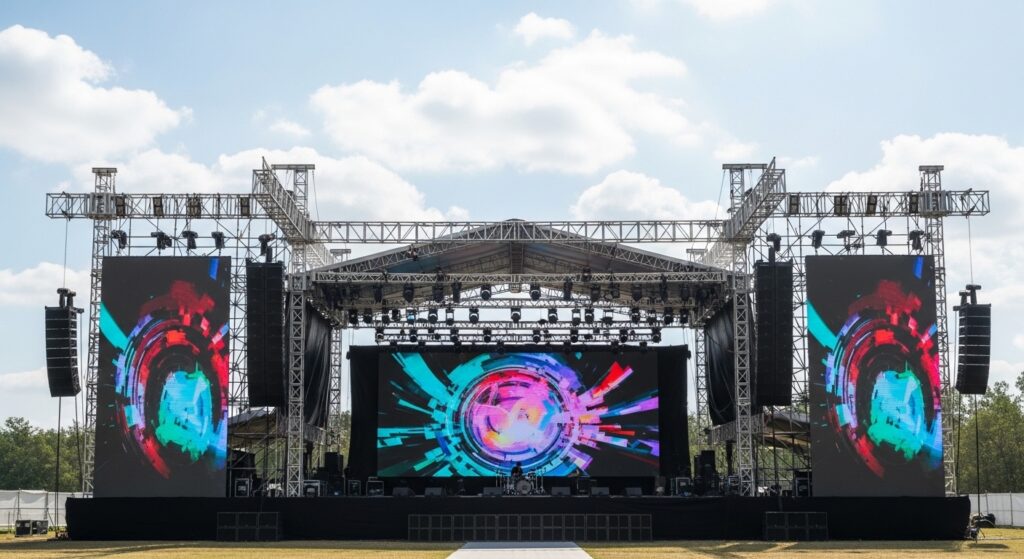
供应链透明度:决定P4.8定价的3个核心变量
作为供应链总监,我实话实说:
LED显示屏并非简单的“每平方米价格”数学问题,而是电子元件的精密集成。
Every dollar you pay should have a clear, physical justification in the hardware.
LED Lamps: The Gold Wire vs. Copper Wire Battle (40%–50% of Total Cost)
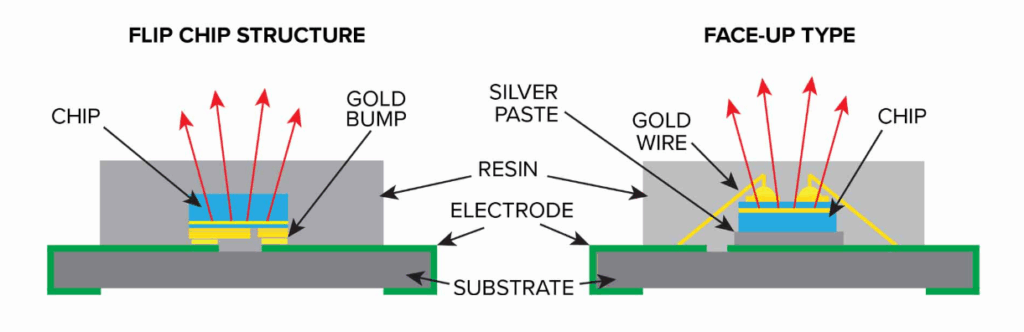
LED lamps are the heart of display longevity.
High-End Benchmark (Sostron Standard)
-
Uses Nationstar or premium Kinglight LED packages
-
Internal bonding uses 99.99% pure gold wire
Why it matters:
Gold wire offers exceptional oxidation resistance and remains stable in high-humidity, high-salt outdoor environments.
Low-Price Trap
-
Cheap P4.8 screens typically use copper wire or “alloy wire”
-
Copper expands differently under heat and oxidizes easily
Result:
After 6–12 months, you’ll see randomly scattered dead pixels—commonly called the “caterpillar effect.”
The repair cost will far exceed the $50/㎡ you initially saved.
Driver ICs: The Invisible Killer on Camera
To the naked eye, two LED screens may look equally bright.
Put a professional camera on them, and the truth is exposed instantly.
Entry-Level ICs (e.g., MBI5124)
-
Refresh rate: ~1920Hz
-
Low cost
-
Suitable for basic text or static information displays
High-Refresh ICs (e.g., MBI5153 / ICN2153)
-
Refresh rate: ≥ 3840Hz
Sostron’s position:
For rental clients—especially concerts and TV broadcast projects—high-refresh ICs are non-negotiable.
They eliminate scan lines and ripple artifacts on camera.
If screen flicker ruins a live broadcast, the penalty alone can pay for ten new LED walls.
Cabinet Engineering: CNC Precision Determines Seam Quality
Outdoor rental screens require frequent assembly and disassembly.
Generic Cabinets
-
Often made with recycled aluminum
-
Precision tolerance: >0.5mm
-
Results in visible black or bright lines after installation
-
Locking systems jam easily
Private Mold Die-Cast Aluminum (Sostron Carbon Series)
-
Carbon fiber or aerospace-grade magnesium-aluminum alloy
-
Secondary CNC machining
-
Flatness tolerance controlled within 0.1mm
P4.8 vs. P3.91: ROI Selection Based on Viewing Distance
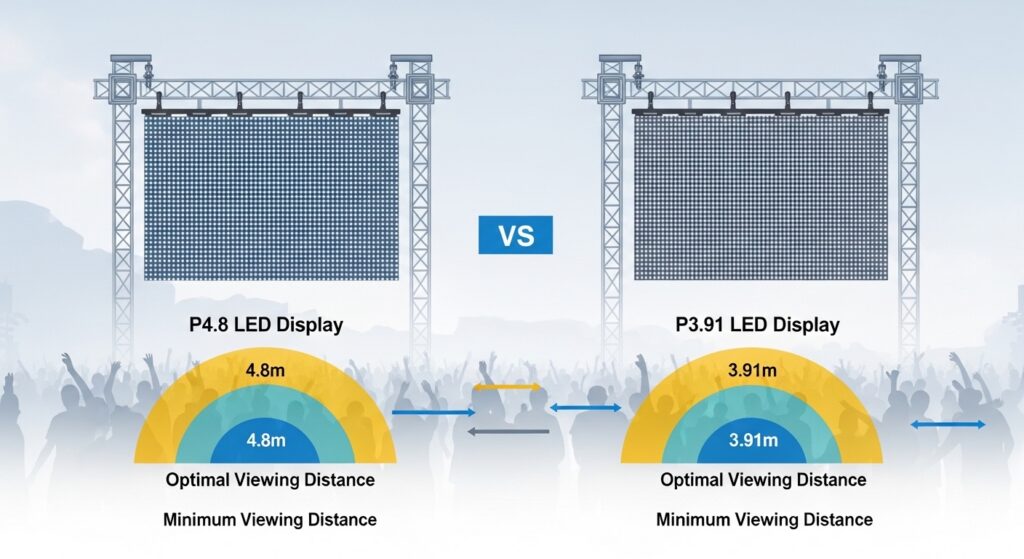
Many purchasing managers fall into the trap of believing:
“Smaller pixel pitch is always better.”
In reality, the key metric is minimum viewing distance.
Viewing Distance Formula
Pixel Pitch (mm) × 1000 = Optimal Viewing Distance (mm)
If your audience is mostly beyond 5 meters, choosing P3.91 is a serious waste of budget.
P4.8 often provides the best balance of brightness and cost efficiency for outdoor rental applications.
Solution Comparison: Sostron P4.8 (Carbon Series) vs. Standard P3.91
| Core Parameter | Sostron P4.8 (Outdoor) | Standard P3.91 (Outdoor) | Decision Insight |
|---|---|---|---|
| Pixel Density | 43,264 dots/㎡ | 65,536 dots/㎡ | P3.91 has 50% more pixels but costs 30%–40% more |
| Optimal Viewing Distance | ≥ 5 m | ≥ 4 m | Beyond 6 m, visual difference is negligible |
| Typical Brightness | 5,000–6,000 nits | 4,500–5,000 nits | Larger LED spacing allows better heat dissipation |
| Avg. Power Consumption | ~280 W/㎡ | ~350 W/㎡ | P4.8 is more energy-efficient |
| Recommended Use | Large festivals, billboards, stadiums | Product launches, close-range roadshows | Choose P4.8 and save $200–$400/㎡ to upgrade ICs or control systems |
???? Expert Tip:
If you’re unsure about real-world site requirements, contact a Sostron engineer. We provide free viewing-distance simulations and CAD layouts using professional software.
True Total Cost of Ownership (TCO): The Invisible Profit Killers
Many overseas buyers focus only on FOB price.
With 20 years of industry experience, I strongly recommend evaluating Total Cost of Ownership (TCO) instead.
Hidden Maintenance Cost Breakdown
Low-cost screens severely compress BOM budgets, leading to high spare parts consumption rates.
-
Logistics Black Hole:
Inferior steel cabinets weigh 10 kg more per unit than die-cast aluminum.
Sea freight may be manageable—but air-shipping emergency parts can cost more than the parts themselves. -
Downtime Loss:
Rental screens fear one thing above all: blackouts during events.
One failure can trigger client loss and compensation exceeding the screen’s value.
3-Year ROI Analysis (100㎡ Rental Screen Example)
| Cost Category | Sostron High-End P4.8 (Carbon Series) | Low-Cost Market P4.8 | Difference |
|---|---|---|---|
| Initial Purchase | $85,000 (Nationstar gold wire) | $60,000 (copper LEDs) | Saves $25,000 upfront |
| Annual Maintenance | $500 | $3,000 | Failures spike in Year 2 |
| Spare Parts Freight | $200 | $1,500 | Hidden cost |
| Labor Maintenance | $1,000 | $5,000 | Technician hours |
| Resale Value | $30,000 (35% retention) | $5,000 | Critical difference |
| 3-Year Total Cost | $56,700 | $64,500 | High-end saves $7,800 |
Conclusion:
Low-price screens don’t save money—they are installment plans for trouble.
Procurement Pitfalls: 4 Hidden Traps in Cheap P4.8 Screens
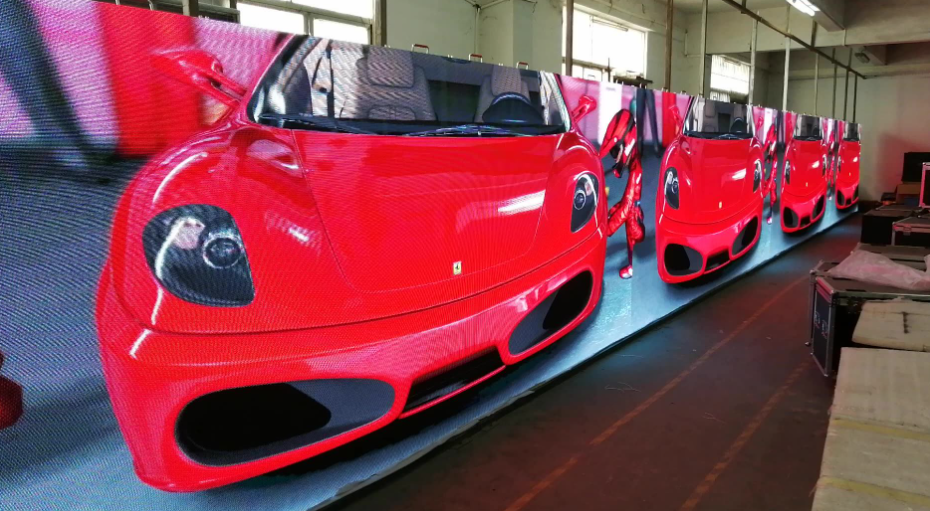
In Shenzhen’s electronics markets, there are unwritten rules salespeople never tell you.
Fake Brightness Ratings
Instead of upgrading LEDs, some factories overdrive current to hit 5000 nits.
Result:
Brightness drops 30% within six months, heat skyrockets, and power supplies age prematurely.
Recycled Module Kits
Recycled plastic back shells become brittle under sunlight, warp, and allow water ingress—making IP65 meaningless.
Overrated Power Supplies
A “200W” PSU that safely supports only 150W will trip protection circuits under full-white load, causing instant blackouts.
Poor Signal Cables
Sostron uses gold-plated connectors.
Cheap screens use iron pins that oxidize quickly in humid or coastal regions, causing flicker and signal loss.
FAQ: High-Frequency Questions About P4.8 Pricing
Q1: How much does a 5×3 m P4.8 LED wall cost?
A:
A complete 15㎡ outdoor P4.8 system (including receiving cards, sending box, video processor, flight cases, and spare parts) typically ranges from $11,000 to $16,000, depending on whether you choose the Ares Series (fixed install) or Carbon Series (rental).
Steel structure costs are not included.
Q2: Can P4.8 be used both indoors and outdoors?
A:
Yes—with brightness adjustment. Outdoor P4.8 reaches 5000+ nits and must be reduced to 20%–30% indoors to avoid glare.
Sostron’s high-refresh ICs maintain grayscale quality even at low brightness.
Indoor screens used outdoors? Guaranteed failure.
Q3: Is it better to buy or rent?
A:
If you run 15+ events per year, buying is more cost-effective.
With a 100,000-hour design lifespan, Sostron screens typically pay for themselves within one year.
The Sostron Solution: Why Choose Us
Sostron is not just an assembly factory.
We are a national high-tech enterprise with:
-
15,000㎡ intelligent manufacturing base
-
4,000㎡ R&D center
Case Study: Chile Music Festival
Challenge:
A 200㎡ stage backdrop required installation within 48 hours, with resistance to high heat and sudden rainstorms.
Sostron Solution: Carbon Series P4.8 Rental
-
Carbon fiber structure: 7 kg per cabinet—30% lighter than traditional die-cast aluminum
-
3840Hz refresh: Perfect for 4K live broadcasting
-
IP65 protection: Zero failures during heavy rain on Day 2
The Sostron Standard
-
72-hour aging tests for every module
-
High-pressure rain simulation to verify real IP65
-
Transparent BOM disclosure—LED brand, IC model, and PSU supplier listed clearly
Final Thoughts: Don’t Let Price Be Your Only Filter
In the LED display industry, price reflects value—and risk.
Choosing Sostron means you’re not just buying a screen—you’re buying five years of visual insurance.
Ready to build a reliable stage?
Stop guessing from price lists.
Book a visit, see our production lines firsthand, or contact Sostron engineers for a transparent BOM and formal quotation.
References:
